
Summary
Among diverse choices of eatables, one finds, in the converging world, an emerging trend of ‘sourdough bread’, which is consumed by the elite and the middle class alike due to its perceived stomach-friendly properties. Also, sourdough bread has a lower glycaemic index than regular white or yeast-leavened bread, resulting in a slightly less drastic rise in blood sugar (for diabetics) after consumption.[1] One tends to chew sourdough more due to its texture, so one finds it less bloating than other bread types; the same can be achieved by chewing other breads for longer. Sourdough pizzas are also gaining popularity, with a rich texture, delicious taste, and some easy-digestibility advantages over traditional pizza dough.
Vanilla extract is also increasingly used in many chocolates and desserts. Both of these, among many others, should be carefully assessed before eating. When in doubt, one should refrain, without being enticed by labels such as ‘suitable for vegetarians’.
مُحَمَّدُ بْنُ يَحْيَى عَنْ أَحْمَدَ بْنِ مُحَمَّدِ بْنِ عِيسَى عَنْ عَلِيِّ بْنِ النُّعْمَانِ عَنْ عَبْدِ اللَّهِ بْنِ مُسْكَانَ عَنْ دَاوُدَ بْنِ فَرْقَدٍ عَنْ أَبِي سَعِيدٍ الزُّهْرِيِّ عَنْ أَبِي جَعْفَرٍ ( عليه السلام ) قَالَ الْوُقُوفُ عِنْدَ الشُّبْهَةِ خَيْرٌ مِنَ الِاقْتِحَامِ فِي الْهَلَكَةِ وَ تَرْكُكَ حَدِيثاً لَمْ تُرْوَهُ خَيْرٌ مِنْ رِوَايَتِكَ حَدِيثاً لَمْ تُحْصِهِ.
Muhammad Bin Yahya, from Ahmad Bin Muhammad Bin Isa, from Ali Bin Al Nu’man, from Abdullah Bin Muskan, from Dawood Bin Farqad, from Abu Saeed Al Zuhry, from;
Abu Ja’far-asws says: ‘The pausing at the doubtful (vagueness) is better than storming into the destruction; and refraining from reporting a Hadeeth which you have not verified, is better than reporting a Hadeeth’.[2]
عَنْهُ عَنْ أَحْمَدَ بْنِ مُحَمَّدٍ عَنِ ابْنِ فَضَّالٍ عَمَّنْ رَوَاهُ عَنْ أَبِي عَبْدِ اللَّهِ ( عليه السلام ) قَالَ قَالَ رَسُولُ اللَّهِ ( صلى الله عليه وآله ) مَنْ عَمِلَ عَلَى غَيْرِ عِلْمٍ كَانَ مَا يُفْسِدُ أَكْثَرَ مِمَّا يُصْلِحُ .
From him, from Ahmad Bin Muhammad, from Ibn Fazzal, from the one who reported it,
Imam Abu Abdullah-asws narrates that Rasool-Allah-saww said: ‘The one who acts upon without knowledge, it would be so that he would spoil more than what he would correct’.[3]
مُحَمَّدٌ عَنْ أَحْمَدَ عَنِ ابْنِ فَضَّالٍ عَنِ ابْنِ بُكَيْرٍ عَنْ حَمْزَةَ بْنِ الطَّيَّارِ قَالَ أَبُو عَبْدِ اللَّهِ ( عليه السلام ) لَا يَسَعُكُمْ فِيمَا يَنْزِلُ بِكُمْ مِمَّا لَا تَعْلَمُونَ إِلَّا الْكَفُّ عَنْهُ وَ التَّثَبُّتُ وَ الرَّدُّ إِلَى أَئِمَّةِ الْهُدَى حَتَّى يَحْمِلُوكُمْ فِيهِ عَلَى الْقَصْدِ وَ يَجْلُوا عَنْكُمْ فِيهِ الْعَمَى وَ يُعَرِّفُوكُمْ فِيهِ الْحَقَّ قَالَ اللَّهُ تَعَالَى فَسْئَلُوا أَهْلَ الذِّكْرِ إِنْ كُنْتُمْ لا تَعْلَمُونَ .
Muhammad, from Ahmad, from Ibn Fazzal, from Ibn Bukeyr, from Hamza Bin Al Tayyar that,
In a Hadith, Imam Abu Abdullah-asws said: ‘There is no leeway for you regarding what comes to you from what you do not know except to pause at that, and affirming, and referring it back to the Imams-asws of the Guidance, until they-asws deliver to you the purpose (of it), and they-asws isolate from you the blindness in (that where you are going), and they-asws make you recognise the truth in it. Allah-azwj the Exalted Said [16:43] so ask the People of the (Zikr) (Reminder) if you do not know’ (an extract).[4]
A number of Muslim muftis (Fatwa givers) consider ‘sourdough bread’ Halal simply because its starting ingredients were Halal, which, to our surprise, is a very superficial and depthless opinion since all starting ingredients of wine are Halal. The case of ‘sourdough bread’ is very similar to that of Al-Nabeez, which is made from a mixture of dates and water and was a very popular drink during the time of the Holy Prophet-saww of Islam, but the same (Al-Nabeez) becomes haram when water-soaked dates are left over to ferment (more than a day).
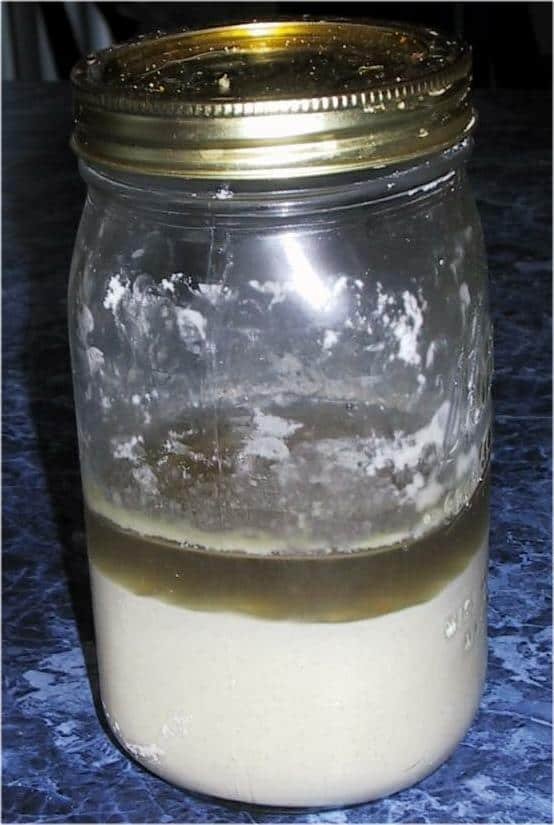
Briefly, sourdough bread is made from a ‘sourdough starter’, which, as a flour dough, is stored in a container to ferment over several days. During its lengthy fermentation, it produces ethanol (a staining, liquid-like substance on the top layer of the container) up to 15% concentration (most wines contain ethanol between 11 to 15% by volume). The sourdough starter is then (which becomes haram and Najis (impure) – due to the high content of alcohol) is added to the bread dough that is subsequently baked in an oven to make sourdough bread!
It is important to note that the regular bread also goes through the fermentation process, but for a short duration, like the case of Halal Al-Nabeez (dates are soaked in water at night and are consumed the next morning) – a classical Islamic drink.
However, if dates are soaked in water for an extended period or the mixture is left in a warm atmosphere (e.g., oven), it becomes haram due to excessive alcohol formation during fermentation. We will review some Ahadith on Al-Nabeez in the following section.
Most ‘sourdough starter’ preparation procedures acknowledge the formation of a high quantity of ethanol (Hooch). Hooch is a dark liquid in or on the sourdough starter, which is cheap (throwaway) and highly intoxicating.[5][6]
As for the ‘Vanilla extracts’, the haram aspect comes from the extraction process itself, i.e., when vanilla beans are dissolved in ethanol.
According to FDA guidelines, pure vanilla extract must contain at least 35% alcohol. Since it’s an extract, very little alcohol is consumed; it eventually evaporates during baking similar to that of sourdough. One may, therefore, try to find alcohol-free vanilla, e.g., from ‘vanilla flavouring’ or “alcohol-free vanilla.[7] [8] [9]
For additional information, i.e., vinegar from wine, please read following articles related to alcohol in perfumes and Ahadith on Halal and Haram:
Permissible(s) and Forbidden – Halal and Harram | Hubeali.com
Alcohol in Perfumes and Skin-Care Products | Hubeali.com
Halal and Haram:
In Islam, Halal and Haram are not prone to change until Qiyamah.
وَ عَنْ إِسْمَاعِيلَ بْنِ جَابِرٍ عَنْ أَبِي عَبْدِ اللَّهِ ع أَنَّ اللَّهَ بَعَثَ مُحَمَّداً نَبِيّاً فَلَا نَبِيَّ بَعْدَهُ أَنْزَلَ عَلَيْهِ الْكِتَابَ فَخَتَمَ بِهِ الْكُتُبَ فَلَا كِتَابَ بَعْدَهُ
And from Ismail Bin Jabir,
‘From Abu Abdullah-asws: ‘Allah-azwj Sent Muhammad-saww as a Prophet-saww, and there will be no Prophet-saww after him-saww. Allah-azwj Revealed the Book unto him-saww and Ended the (previous) Books by it, so there is no Book after it.
أَحَلَّ فِيهِ حَلَالَهُ وَ حَرَّمَ فِيهِ حَرَامَهُ فَحَلَالُهُ حَلَالٌ إِلَى يَوْمِ الْقِيَامَةِ وَ حَرَامُهُ حَرَامٌ إِلَى يَوْمِ الْقِيَامَةِ فِيهِ نَبَأُ مَا قَبْلَكُمْ وَ خَبَرُ مَا بَعْدَكُمْ وَ فَصْلُ مَا بَيْنَكُمْ
He-azwj Permitted His-azwj Permissible(s) in it and Prohibited His-azwj Prohibitions in it. So, His-azwj Permissible(s) are Permissible up to the Day of Qiyamah, and His-azwj Prohibitions are Prohibited up to the Day of Qiyamah. In it are news of what was before you, and news of what is to be after you, and Decisions of what is between you all.
ثُمَّ أَوْمَأَ بِيَدِهِ إِلَى صَدْرِهِ وَ قَالَ نَحْنُ نَعْلَمُهُ.
Then he-asws gestured by his-asws hand to his-asws own chest and said: ‘We-asws know it!’’[10]
A small amount of an intoxicant makes all of it Haram:
الْحُسَيْنُ بْنُ مُحَمَّدٍ عَنْ مُعَلَّى بْنِ مُحَمَّدٍ وَ عِدَّةٌ مِنْ أَصْحَابِنَا عَنْ سَهْلِ بْنِ زِيَادٍ جَمِيعاً عَنْ مُحَمَّدِ بْنِ عَلِيٍّ الْهَمَذَانِيِّ عَنْ عَلِيِّ بْنِ عَبْدِ اللَّهِ الْحَنَّاطِ عَنْ سَمَاعَةَ بْنِ مِهْرَانَ عَنِ الْكَلْبِيِّ النَّسَّابَةِ قَالَ سَأَلْتُ أَبَا عَبْدِ اللَّهِ ( عليه السلام ) عَنِ النَّبِيذِ فَقَالَ حَلَالٌ قُلْتُ إِنَّا نَنْبِذُهُ فَنَطْرَحُ فِيهِ الْعَكَرَ وَ مَا سِوَى ذَلِكَ فَقَالَ ( عليه السلام ) شَهْ شَهْ تِلْكَ الْخَمْرَةُ الْمُنْتِنَةُ
Al Husayn Bin Muhammad, from Moala Bin Muhammad and a number of our companions, from Sahl Bin Ziyad, altogether from Muhammad Bin Ali Al Hamdany, from Ali Bin Abdullah Al Hannat, from Sama’at Bin Mihran, from Al Kalby Al Nasaba who said,
‘I asked Abu Abdullah-asws about Al-Nabeez, so he-asws said: ‘Permissible’. I said, ‘I soak it, so I place the residue (of an intoxicant) in it, and what is besides that’. At that, he-asws said: ‘Shh! Shh! That is the rotten wine’ (an extract).[11]
It’s an alert rather than a verdict (or Fatwa):
The scientific technique and procedures are prone to change with technological developments. Hence, the reader should take his/her own research and act in accordance with Islamic principles. From the above Ahadith and open literature references, it appears that one must be careful and try to refrain from eating sourdough and vanilla extracts and substances of a similar nature (e.g., Kefir, Stevia-E960), unless one is convinced about the permissibility of these eatables/additives in the food, see Appendix.
Finally, we cite a Hadith, which essentially conveys that Allah-azwj has Clarified the permissible(s) as well as the prohibitions but between these, there are the uncertainties from Satan-la, which should be avoided.
وَ حَدَّثَنِي مُحَمَّدُ بْنُ عَلِيِّ بْنِ طَالِبٍ الْبَلَدِيُّ عَنْ مُحَمَّدِ بْنِ إِبْرَاهِيمَ النُّعْمَانِيِّ عَنِ ابْنِ عُقْدَةَ عَنْ شُيُوخِهِ الْأَرْبَعَةِ عَنِ الْحَسَنِ بْنِ مَحْبُوبٍ عَنْ مُحَمَّدِ بْنِ النُّعْمَانِ الْأَحْوَلِ عَنْ سَلَّامِ بْنِ الْمُسْتَنِيرِ عَنْ أَبِي جَعْفَرٍ الْبَاقِرِ ع قَالَ قَالَ جَدِّي رَسُولُ اللَّهِ ص أَيُّهَا النَّاسُ حَلَالِي حَلَالٌ إِلَى يَوْمِ الْقِيَامَةِ وَ حَرَامِي حَرَامٌ إِلَى يَوْمِ الْقِيَامَةِ أَلَا وَ قَدْ بَيَّنَهُمَا اللَّهُ عَزَّ وَ جَلَّ فِي الْكِتَابِ وَ بَيَّنْتُهُمَا فِي سِيرَتِي وَ سُنَّتِي وَ بَيْنَهُمَا شُبُهَاتٌ مِنَ الشَّيْطَانِ وَ بِدَعٌ بَعْدِي مَنْ تَرَكَهَا صَلَحَ أَمْرُ دِينِهِ وَ صَلَحَتْ لَهُ مُرُوءَتُهُ وَ عِرْضُهُ وَ مَنْ تَلَبَّسَ بِهَا وَ وَقَعَ فِيهَا وَ اتَّبَعَهَا كَانَ كَمَنْ رَعَى غَنَمَهُ قُرْبَ الْحِمَى وَ مَنْ رَعَى مَاشِيَتَهُ قُرْبَ الْحِمَى نَازَعَتْهُ نَفْسُهُ إِلَى أَنْ يَرْعَاهَا فِي الْحِمَى أَلَا وَ إِنَّ لِكُلِّ مَلِكٍ حِمًى أَلَا وَ إِنَّ حِمَى اللَّهِ عَزَّ وَ جَلَّ مَحَارِمُهُ فَتَوَقَّوْا حِمَى اللَّهِ وَ مَحَارِمَهُ الْخَبَرَ.
And it was narrated to me by Muhammad Bin Ali Bin Talib Al Baldy, from Muhammad Bin Ibrahim Al Numany, from Ibn Uqada, from his four sheykhs, from Al Hassan Bin Mahboub, from Muhammad Bin Al Numan Al Ahowl, from Salam Bin Al Mustaneer,
‘From Abu Ja’far Al-Baqir-asws having said: ‘My-asws grandfather-asws Rasool-Allah-saww said: ‘O you people! My-saww permissible is permissible up to the Day of Judgment, and my-saww prohibition is a prohibition up to the Day of Judgment. Indeed! And Allah-azwj has Explained these two in the Book, and I-saww have explained these two in my-saww ways, and my-saww Sunnah; and between these two are the uncertainties from Satan-la and innovations after me-saww. One who leaves these (uncertain matters) the matter of his Religion would be correct for him, and it would correct for him his magnanimity and his honour.
And one who wears these (uncertainties), and falls into these and pursues these would be like the one who pastures his sheep near the sanctuary, and one who pastures his cattle near the sanctuary, his self would snatch him to that he should be pasturing these inside the (gates of the) sanctuary. Certainly! For every king, there is a sanctuary. Indeed! And that the sanctuary of Allah-azwj Mighty and Majestic is His-azwj Prohibitions, therefore stop at the sanctuary of Allah-azwj and His-azwj Prohibitions’’.[12]
The Halal Al-Nabeez (dates soaked in water overnight)
مُحَمَّدُ بْنُ يَحْيَى عَنْ أَحْمَدَ بْنِ مُحَمَّدٍ عَنْ مُحَمَّدِ بْنِ إِسْمَاعِيلَ عَنْ حَنَانِ بْنِ سَدِيرٍ قَالَ سَمِعْتُ رَجُلًا وَ هُوَ يَقُولُ لِأَبِي عَبْدِ اللَّهِ ( عليه السلام ) مَا تَقُولُ فِي النَّبِيذِ فَإِنَّ أَبَا مَرْيَمَ يَشْرَبُهُ وَ يَزْعُمُ أَنَّكَ أَمَرْتَهُ بِشُرْبِهِ فَقَالَ صَدَقَ أَبُو مَرْيَمَ سَأَلَنِي عَنِ النَّبِيذِ فَأَخْبَرْتُهُ أَنَّهُ حَلَالٌ وَ لَمْ يَسْأَلْنِي عَنِ الْمُسْكِرِ
Muhammad Bin Yahya, from Ahmad Bin Muhammad, from Muhammad Bin Ismail, from Hanaan Bin Sudeyr who said,
‘I heard a man and he was saying to Abu Abdullah-asws, ‘What are you-asws saying regarding Al-Nabeez, for Abu Maryam is drinking it and he is claiming that you-asws ordered him with drinking it?’ So he-asws said: ‘Abu Maryam spoke the truth. He asked me-asws about Al-Nabeez, so I-asws informed him that it is Permissible, and he did not ask me about the intoxicant’.
قَالَ ثُمَّ قَالَ ( عليه السلام ) إِنَّ الْمُسْكِرَ مَا اتَّقَيْتُ فِيهِ أَحَداً سُلْطَاناً وَ لَا غَيْرَهُ قَالَ رَسُولُ اللَّهِ ( صلى الله عليه وآله ) كُلُّ مُسْكِرٍ حَرَامٌ وَ مَا أَسْكَرَ كَثِيرُهُ فَقَلِيلُهُ حَرَامٌ
He (the narrator) said, ‘Then he-asws said: ‘For the intoxicants, there is no dissimulation in it for anyone, neither from the authorities nor someone else. Rasool-Allah-saww said: ‘Every intoxicant is Prohibited, and whatever a lot of it intoxicates so a little of it is Prohibited’.
فَقَالَ لَهُ الرَّجُلُ جُعِلْتُ فِدَاكَ هَذَا النَّبِيذُ الَّذِي أَذِنْتَ لِأَبِي مَرْيَمَ فِي شُرْبِهِ أَيُّ شَيْءٍ هُوَ فَقَالَ أَمَّا أَبِي ( عليه السلام ) فَإِنَّهُ كَانَ يَأْمُرُ الْخَادِمَ فَيَجِيءُ بِقَدَحٍ وَ يَجْعَلُ فِيهِ زَبِيباً وَ يَغْسِلُهُ غَسْلًا نَقِيّاً ثُمَّ يَجْعَلُهُ فِي إِنَاءٍ ثُمَّ يَصُبُّ عَلَيْهِ ثَلَاثَةً مِثْلَهُ أَوْ أَرْبَعَةً مَاءً ثُمَّ يَجْعَلُهُ بِاللَّيْلِ وَ يَشْرَبُهُ بِالنَّهَارِ وَ يَجْعَلُهُ بِالْغَدَاةِ وَ يَشْرَبُهُ بِالْعَشِيِّ وَ كَانَ يَأْمُرُ الْخَادِمَ بِغَسْلِ الْإِنَاءِ فِي كُلِّ ثَلَاثَةِ أَيَّامٍ كَيْلَا يَغْتَلِمَ فَإِنْ كُنْتُمْ تُرِيدُونَ النَّبِيذَ فَهَذَا النَّبِيذُ
So the man said to him-asws, ‘May I be sacrificed for you-asws! This Al-Nabeez which you-asws are permitting for Abu Maryam with regards to drinking it, which thing is it?’ So he-asws said: ‘As for my-asws father-asws, he-asws had ordered the servant, so he came with a cup, and he-asws made raisins to be in it, and washed it with a washing, clean. Then he-asws made it to be in a vessel, then poured water over it the like of three or four times of it. Then he-asws made it at night and he-asws would drink it at daytime, and he-asws made it at daytime and he-asws would drink it in the evening. And he-asws used to order the servant with washing the vessel every three days, perhaps it would have stained. Thus, if you all are wanting Al-Nabeez, so this is Al-Nabeez’.[13]
مُحَمَّدُ بْنُ يَحْيَى عَنْ أَحْمَدَ بْنِ مُحَمَّدٍ عَنْ عَلِيِّ بْنِ الْحَكَمِ وَ مُحَمَّدُ بْنُ إِسْمَاعِيلَ وَ مُحَمَّدُ بْنُ جَعْفَرٍ أَبُو الْعَبَّاسِ الْكُوفِيُّ عَنْ مُحَمَّدِ بْنِ خَالِدٍ جَمِيعاً عَنْ سَيْفِ بْنِ عَمِيرَةَ عَنْ مَنْصُورٍ قَالَ حَدَّثَنِي أَيُّوبُ بْنُ رَاشِدٍ قَالَ سَمِعْتُ أَبَا الْبِلَادِ يَسْأَلُ أَبَا عَبْدِ اللَّهِ ( عليه السلام ) عَنِ النَّبِيذِ فَقَالَ لَا بَأْسَ بِهِ فَقَالَ إِنَّهُ يُوضَعُ فِيهِ الْعَكَرُ فَقَالَ أَبُو عَبْدِ اللَّهِ ( عليه السلام ) بِئْسَ الشَّرَابُ وَ لَكِنِ انْبِذُوهُ غُدْوَةً وَ اشْرَبُوهُ بِالْعَشِيِّ قَالَ فَقَالَ جُعِلْتُ فِدَاكَ هَذَا يُفْسِدُ بُطُونَنَا قَالَ فَقَالَ أَبُو عَبْدِ اللَّهِ ( عليه السلام ) أَفْسَدُ لِبَطْنِكَ أَنْ تَشْرَبَ مَا لَا يَحِلُّ لَكَ
Muhammad Bin Yahya, from Ahmad Bin Muhammad, from Ali Bin Al Hakam and Muhammad Bin Ismail and Muhammad Bin Ja’far Abu Al Abbas Al Kufy, from Muhammad Bin Khalid, altogether from Sayf Bin Umeyra, from Mansour who said that it was narrated to him from Ayoub Bin Rashid who said,
‘I heard Abu Al-Balaad asking Abu Abdullah-asws about Al-Nabeez, so he-asws said: ‘There is no problem with it’. So he said, ‘A residue (of an intoxicant) is placed in it’. So Abu Abdullah-asws said: ‘Evil is the drink, but soak (raisins) in the morning and drink it in the evening’. So he said, ‘May I be sacrificed for you-asws! This tends to spoil our bellies’. So Abu Abdullah-asws said: ‘The spoiling for your belly is that you drink what is not Permissible for you’.[14]
When Al-Nabeez Becomes Haram:
الْحُسَيْنُ بْنُ مُحَمَّدٍ عَنْ مُعَلَّى بْنِ مُحَمَّدٍ وَ عِدَّةٌ مِنْ أَصْحَابِنَا عَنْ سَهْلِ بْنِ زِيَادٍ جَمِيعاً عَنْ مُحَمَّدِ بْنِ عَلِيٍّ الْهَمَذَانِيِّ عَنْ عَلِيِّ بْنِ عَبْدِ اللَّهِ الْحَنَّاطِ عَنْ سَمَاعَةَ بْنِ مِهْرَانَ عَنِ الْكَلْبِيِّ النَّسَّابَةِ قَالَ سَأَلْتُ أَبَا عَبْدِ اللَّهِ ( عليه السلام ) عَنِ النَّبِيذِ فَقَالَ حَلَالٌ قُلْتُ إِنَّا نَنْبِذُهُ فَنَطْرَحُ فِيهِ الْعَكَرَ وَ مَا سِوَى ذَلِكَ فَقَالَ ( عليه السلام ) شَهْ شَهْ تِلْكَ الْخَمْرَةُ الْمُنْتِنَةُ
Al Husayn Bin Muhammad, from Moala Bin Muhammad and a number of our companions, from Sahl Bin Ziyad, altogether from Muhammad Bin Ali Al Hamdany, from Ali Bin Abdullah Al Hannat, from Sama’at Bin Mihran, from Al Kalby Al Nasaba who said,
‘I asked Abu Abdullah-asws about Al-Nabeez, so he-asws said: ‘Permissible’. I said, ‘I soak it, so I place the residue (of an intoxicant) in it, and what is besides that’. So he-asws said: ‘Shh! Shh! That is the rotten wine’.
قَالَ قُلْتُ جُعِلْتُ فِدَاكَ فَأَيَّ نَبِيذٍ تَعْنِي فَقَالَ إِنَّ أَهْلَ الْمَدِينَةِ شَكَوْا إِلَى النَّبِيِّ ( صلى الله عليه وآله ) تَغَيُّرَ الْمَاءِ وَ فَسَادَ طَبَائِعِهِمْ فَأَمَرَهُمْ أَنْ يَنْبِذُوا فَكَانَ الرَّجُلُ مِنْهُمْ يَأْمُرُ خَادِمَهُ أَنْ يَنْبِذَ لَهُ فَيَعْمِدَ إِلَى كَفٍّ مِنْ تَمْرٍ فَيُلْقِيَهُ فِي الشَّنِّ فَمِنْهُ شُرْبُهُ وَ مِنْهُ طَهُورُهُ
He (the narrator) said, ‘I said, ‘May I be sacrificed for you-asws, so which Al-Nabeez do you-asws mean’. So he-asws said: ‘The people of Al-Medina complained to the Prophet-saww of the changed water and spoiling of their health. So he-saww ordered them that they should be drinking Al-Nabeez. So the man from them was instructing his servant that he should make Al-Nabeez for him, so he would extend his handful of dates, so he would cast these in the container. So from it, he would be drinking, and from it he would be purifying’.
فَقُلْتُ وَ كَمْ كَانَ عَدَدُ التَّمَرَاتِ الَّتِي كَانَتْ تُلْقَى قَالَ مَا يَحْمِلُ الْكَفُّ قُلْتُ وَاحِدَةً وَ اثْنَتَيْنِ فَقَالَ ( عليه السلام ) رُبَّمَا كَانَتْ وَاحِدَةً وَ رُبَّمَا كَانَتِ اثْنَتَيْنِ فَقُلْتُ وَ كَمْ كَانَ يَسَعُ الشَّنُّ مَاءً مَا بَيْنَ الْأَرْبَعِينَ إِلَى الثَّمَانِينَ إِلَى مَا فَوْقَ ذَلِكَ قَالَ فَقُلْتُ بِالْأَرْطَالِ فَقَالَ أَرْطَالٍ بِمِكْيَالِ الْعِرَاقِ
So I said, ‘And how much was the number of the dates which was cast?’ He-asws said: ‘Whatever a palm could gather’. I said, ‘One and two?’ So he-asws said: ‘Sometimes it was one, and sometimes it was two’. So I said, ‘And how much was the capacity of the container of water?’ (He-asws said): ‘What is between forty to eighty, to what is above that?’ So I said, ‘By the Ratls (A unit of measurement)?’ So he-asws said: ‘Ratls by the measurement of Al-Iraq.[15]
Substance becomes Haram when its fermentation stains the container:
مُحَمَّدُ بْنُ يَحْيَى عَنْ أَحْمَدَ بْنِ مُحَمَّدٍ عَنِ الْحُسَيْنِ بْنِ سَعِيدٍ عَنْ إِبْرَاهِيمَ بْنِ أَبِي الْبِلَادِ عَنْ أَبِيهِ عَنْ غَيْرِ وَاحِدٍ حَضَرَ مَعَهُ قَالَ كُنْتُ عِنْدَ أَبِي جَعْفَرٍ ( عليه السلام ) فَقُلْتُ يَا جَارِيَةُ اسْقِينِي مَاءً فَقَالَ لَهَا اسْقِيهِ مِنْ نَبِيذِي فَجَاءَتْنِي بِنَبِيذٍ مِنْ بُسْرٍ فِي قَدَحٍ مِنْ صُفْرٍ قَالَ فَقُلْتُ إِنَّ أَهْلَ الْكُوفَةِ لَا يَرْضَوْنَ بِهَذَا قَالَ فَمَا نَبِيذُهُمْ قُلْتُ لَهُ يَجْعَلُونَ فِيهِ الْقَعْوَةَ قَالَ وَ مَا الْقَعْوَةُ قُلْتُ الدَّاذِيُّ قَالَ وَ مَا الدَّاذِيُّ فَقُلْتُ ثُفْلُ التَّمْرِ قَالَ يَضْرَى بِهِ الْإِنَاءُ حَتَّى يَهْدِرَ النَّبِيذُ فَيَغْلِيَ ثُمَّ يُسْكِرَ فَيُشْرَبُ فَقَالَ هَذَا حَرَامٌ
Muhammad Bin Yahya, from Ahmad Bin Muhammad, from Al Husayn Bin Saeed, from Ibrahim Bin Abu Al Balaad, from his father, from someone else who was present with him who said,
‘I was in the presence of Abu Ja’far-asws, so I said, ‘O maid, get me a drink of water’. So he-asws said to her: ‘Give him a drink of my-asws Al-Nabeez. So she came to me with Al-Nabeez of partially-ripened dates in a brass cup. So I said, ‘The people of Al-Kufa are not happy with this’. He-asws said: ‘So what is their Al-Nabeez?’ I said to him-asws, ‘They are making Al-Qa’wa to be in it’. He-asws said: ‘And what is Al-Qa’wa?’ I said, ‘Al-Daazy’. He-asws said: ‘And what is A- Daazy?’ So I said, ‘Pressed dates. The vessel is stained by it until Al-Nabeez ferments, then it intoxicates, so he drinks it’. So, Imam-asws said: ‘This is Prohibited’.[16]
الْحُسَيْنُ بْنُ مُحَمَّدٍ عَنْ أَحْمَدَ بْنِ إِسْحَاقَ عَنْ بَكْرِ بْنِ مُحَمَّدٍ عَنِ ابْنِ أَبِي يَعْفُورٍ عَنْ أَبِي عَبْدِ اللَّهِ ( عليه السلام ) قَالَ إِذَا شَرِبَ الرَّجُلُ النَّبِيذَ الْمَخْمُورَ فَلَا تَجُوزُ شَهَادَتُهُ فِي شَيْءٍ مِنَ الْأَشْرِبَةِ وَ لَوْ كَانَ يَصِفُ مَا تَصِفُونَ
Al Husayn Bin Muhammad, from Ahmad Bin Is’haq, from Bakr Bin Muhammad, from Ibn Abu Yafour,
(It has been narrated) from Abu Abdullah-asws having said: ‘When the man drinks Al-Nabeez, the fermented, so his testimony is not allowed in anything (when he consumes from the drinks of intoxicants), even if he were to be described to be upon (the belief) that you are upon’.[17]
Using excessive Yeast in bread making is discouraged:
قُرْبُ الْإِسْنَادِ، عَنْ هَارُونَ بْنِ مُسْلِمٍ عَنْ مَسْعَدَةَ بْنِ صَدَقَةَ عَنْ جَعْفَرٍ عَنْ أَبِيهِ ع أَنَّ عَلِيّاً ع كَانَ يُعَاتِبُ خَدَمَهُ فِي تَخْمِيرِ الْخَمِيرِ فَيَقُولُ هُوَ أَكْثَرُ لِلْخُبْزِ.
(The book) ‘Qurb Al Asnaad’ – from Haroun Bin Muslim, from Mas’ada Bin Sadaqa,
From Ja’far-asws, from his-asws father-asws: (Imam) Ali-asws used to admonish his-asws servant regarding fermentation of the yeast, saying: ‘It is more for the bread’.[18]
Yeast for dough making is from the essential of a household:
عَنْهُ عَنِ ابْنِ مَحْبُوبٍ عَنْ سَعْدَانَ عَنْ مُعَاوِيَةَ بْنِ عَمَّارٍ قَالَ قَالَ أَبُو عَبْدِ اللَّهِ ( عليه السلام ) لَا تُمَانِعُوا قَرْضَ الْخَمِيرِ وَ الْخُبْزِ وَ اقْتِبَاسَ النَّارِ فَإِنَّهُ يَجْلِبُ الرِّزْقَ عَلَى أَهْلِ الْبَيْتِ مَعَ مَا فِيهِ مِنْ مَكَارِمِ الْأَخْلَاقِ
From him, from Ibn Mahboub, from Saa’dan, from Muawiya Bin Ammar who said,
‘Abu Abdullah-asws said: ‘Do not prevent lending of the yeast and the bread and the igniter of the fire, for it brings the sustenance upon the family along with whatever is therein from the prestigious manners’.[19]
مُحَمَّدُ بْنُ الْحَسَنِ بِإِسْنَادِهِ عَنْ مُحَمَّدِ بْنِ أَحْمَدَ بْنِ يَحْيَى عَنْ بُنَانِ بْنِ مُحَمَّدٍ عَنْ أَبِيهِ عَنِ ابْنِ الْمُغِيرَةِ عَنِ السَّكُونِيِّ عَنْ جَعْفَرٍ عَنْ أَبِيهِ ع قَالَ: لَا تُمَانِعُوا قَرْضَ الْخَمِيرِ وَ الْخُبْزِ فَإِنَّ مَنْعَهُ يُورِثُ الْفَقْرَ.
Muhammad ibn al-Hasan, through his chain of transmission, from Muhammad ibn Ahmad ibn Yahya, from Bunan ibn Muhammad, from his father, from Ibn al-Mughira, from Al-Sakuni, from;
Imam Al-Ja’far-asws, from his-asws father-asws, has reported: Do not withhold loans of yeast and bread, for withholding them causes poverty.[20]
Appendix: Additional Examples of ‘Food’ Alert
Some food varieties or ingredients may also need to be carefully considered before consumption to ensure their suitability under Islamic laws, e.g.,
Kefir – A milk-based Eastern European Drink
Kefir is a fermented milk, a bit like yogurt, that contains up to 30 different species of probiotic (health-benefitting) bacteria and yeasts. It’s been an essential part of the diet in Eastern Europe for the last 2000 years, and gradually it has made its way to the UK.[21]
Like sourdough ‘starter’, one cannot make kefir without kefir grains, which are bacteria and yeast-based tiny cauliflower florets, bound together in a kefiran polysaccharide matrix.
The Kefir grains are the result of centuries of microbial evolution and environmental interaction. One, however, can use freeze-dried kefir starter cultures to ferment milk, these do not produce true kefir grains and will not self-propagate like authentic grains.[22]
The alcohol concentrations in Kefir vary during the 16 hours from the beginning of the fermentation process, between 0.1 and 0.5% of the volume, and may reach as much as 3%.[23]
Stevia:
Stevia originates from a naturally occurring plant, in South America.[24]
Like vanilla extracts, Stevia is also extracted using ethanol, i.e., the various glycosides are separated and purified via crystallisation techniques, typically using ethanol or methanol as solvent.[25] The dried extract contains at least 95% steviol glycosides and is commercially known as E960 and commonly known as Stevia, and is widely used in chewing gum, zero-calorie beverages, and sweeteners.[26]
The Clarity and the Ambiguity:
Almost all fatwas, from general Muslims, allow for consumption of many foods and drinks, including Kefir and E960, see for example a reference below.[27] The basis of these fatawas is that, if consuming a large amount of an alcoholic food/drink does not make one drunk (intoxicated), then a small amount of it is also permissible[28]; with this criterion alone, all low-alcoholic beverages become halal, i.e., beer (which has between 1 to 5% vol. alcohol content).
However, in accordance with the above Hadith, Allah-azwj has Clarified the permissible(s) as well as the prohibitions, but between these, there are the uncertainties from Satan-la, which should be avoided.[29]
[1] https://www.verywellhealth.com/sourdough-bread-blood-sugar-effects
[2] Al Kafi V 1 – The Book Of Intellect and Ignorance CH 16 H 9
[3] Al Kafi V 1 – The Book Of Intellect and Ignorance CH 12 H 3
[4] Al Kafi V 1 – The Book Of Intellect and Ignorance CH 16 H 10
[5] https://www.sourdoughhome.com/what-is-hooch/
[6] https://www.google.com/search?q=sourdough+alcohol+content&client
[7] https://www.eatingwell.com/why-alcohol-is-in-vanilla-extract
[8] Vanilla extract – Wikipedia
[9] Purity Kitchen Madagascan Vanilla Beans, Grade A Gourmet, 5 Whole Pods, Halal & Kosher Certified & Vegan. 100% Pure.
[10] Bihar Al Awaar – V 46, The book of History – Ja’far Al Sadiqasws, Ch 4 H 33 b
[11] Al Kafi – V 6 – The Book of Drinks Ch 23 H 3
[12] Bihar Al-Anwaar – V 2, The book of intellect, and the knowledge, and the ignorance, S 2 Ch 31 H 17
[13] Al Kafi – V 6 – The Book of Drinks Ch 23 H 1
[14] Al Kafi – V 6 – The Book of Drinks Ch 23 H 2
[15] Al Kafi – V 6 – The Book of Drinks Ch 23 H 3
[16] Al Kafi – V 6 – The Book of Drinks Ch 23 H 4
[17] Al Kafi – V 6 – The Book of Drinks Ch 27 H 8
[18] Bihar Al-Anwaar – V 63 The book of plants – Ch 1 H 1 (Chapters on what is made from the cereals)
[19] Al Kafi – V 5 – The Book of Subsistence Ch 156 H 46
[20] وسائل الشيعة، ج17، ص: 446, H. 1
[21] https://www.bbcgoodfood.com/howto/guide/how-make-kefir
[22] www.pragmaticnutritionist.com.
[23] https://islamqa.info/en/answers/184243/ruling-on-drinking-kefir
[24] https://en.wikipedia.org/wiki/Stevia
[25] Purkayastha, S. “A Guide to Reb-A”. Food Product Design. Archived from the original on 26 March 2009. Retrieved 28 March 2009.
[26] https://www.legislation.gov.uk/uksi/2023/334/made/data.html
[27] https://islamqa.info/en/answers/184243/ruling-on-drinking-kefir
[28] عَنْهُ عَنْ مُحَمَّدِ بْنِ عَبْدِ الْجَبَّارِ عَنْ صَفْوَانَ بْنِ يَحْيَى عَنْ كُلَيْبٍ الْأَسَدِيِّ قَالَ سَأَلْتُ أَبَا عَبْدِ اللَّهِ ع عَنِ النَّبِيذِ فَقَالَ إِنَّ رَسُولَ اللَّهِ ص خَطَبَ النَّاسَ فَقَالَ فِي خُطْبَتِهِ أَيُّهَا النَّاسُ أَلَا إِنَّ كُلَّ مُسْكِرٍ حَرَامٌ أَلَا وَ مَا أَسْكَرَ كَثِيرُهُ فَقَلِيلُهُ حَرَامٌ
It is narrated from the narrator of the previous Hadith from Muhammad ibn ‘Abd Jabbar from Safwan ibn Yahya from Kulayb al-Asadiy who has said:
‘I once asked Abu Abd Allah-asws about Al- Nabidh (liquor). The Imam-asws said that once the Messenger of Allah-saww addressed the people and said, ‘O people, all intoxicating liquor is unlawful. You must take notice that whatever in large quantity is intoxicating liquor, its intake in small quantity is also unlawful ( الكافي ج : 6 ص : 408, h.6).
[29] Bihar Al-Anwaar – V 2, The book of intellect, and the knowledge, and the ignorance, S 2 Ch 31 H 17